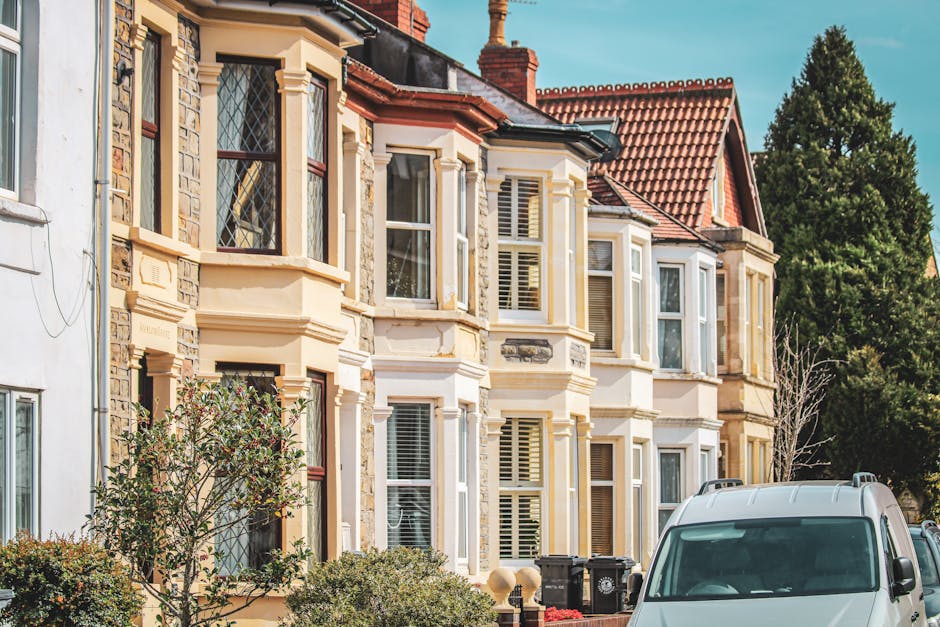
Willesden NW10 House Removals Guide Parking and Permits
Moving house in Willesden NW10 can be straightforward, but parking and permits can make or break the day. If the van cannot stop near your front door, every box takes longer. If a bay is suspended, or the driver ends up circling for space, the whole schedule starts to wobble. This guide to Willesden NW10 house removals guide parking and permits is here to help you avoid those headaches and keep the move calm, organised, and less expensive than it needs to be.
Whether you are leaving a terraced house near a busy road, a flat with limited access, or a family home on a tighter residential street, the same question comes up: where will the removal van actually park? That simple detail affects loading time, permissions, safety, and even neighbour relations. Let's make it practical.
Why Willesden NW10 House Removals Guide Parking and Permits Matters
In house removals, parking is not a side issue. It is often the hidden bottleneck. In Willesden NW10, streets can be narrow, parking can be tightly controlled, and even a short stop can cause stress if it has not been planned properly. That is especially true on moving day, when you are already dealing with keys, boxes, children, pets, and the odd missing kettle.
Good parking planning matters because it influences three things at once: time, cost, and safety. The closer the vehicle can get to the property, the less carrying distance there is. Less carrying distance means fewer chances of damage, fewer trips up and down stairs, and a better rhythm for the crew. Simple really, but people often underestimate it.
Permits matter too because the wrong parking position can lead to fines, delays, or a removal vehicle being forced to move at the worst possible time. Even if a mover is used to London work, it still helps to check the local conditions around the property. A quick look at the street on a weekday morning can tell you far more than a guess ever will.
If your move is part of a wider relocation plan, you may also want to look at house removals support and, for smaller loads, small removals. For homeowners combining moving with temporary storage, removals and storage can be a useful route.
How Willesden NW10 House Removals Guide Parking and Permits Works
The practical process is usually less mysterious than people expect. First, you identify what kind of parking is available outside the property. Then you confirm whether the van can use a resident bay, pay-and-display bay, single yellow, loading-only area, or whether a suspension or special permission is needed. After that, you match the vehicle size and loading time to what the street can realistically handle.
In many moves, the key is not an official permit in the dramatic sense. Sometimes it is simply making sure the van has access to a suitable stopping place, knowing whether a bay is restricted, and planning the move around local traffic patterns. On busier roads, a van can lose time very quickly if the driver has to park a long way away and trolley everything in sections. Nobody wants that on a rainy Tuesday, and let's face it, London has a habit of supplying those.
There are also practical variations depending on the type of home. A ground-floor maisonette with a front drive is one thing. A top-floor flat on a one-way street is another. If your building has no lift, shared entrance steps, or a tight hallway, access planning matters just as much as the parking itself. This is where a good removals team, or a move supported by flat removals expertise, can save a lot of hassle.
When storage is needed before or after the move, it can help to arrange short-term storage or, for more secure long-term planning, secure storage. That can reduce pressure on moving day if the property access is awkward.
Key Benefits and Practical Advantages
Putting parking and permits on the checklist does more than avoid trouble. It makes the move feel controlled. That sounds obvious, but people often notice the difference only after they have seen both versions: the move where the van is parked properly, and the move where the driver is juggling hazards, tight corners, and a neighbour's blocked car.
- Faster loading and unloading: shorter carrying distances mean fewer delays.
- Lower risk of damage: fewer bumps, fewer awkward turns, less lifting over curbs.
- Less stress on the day: fewer last-minute phone calls, less shouting across the street.
- Better control of timing: especially helpful if you have a completion deadline or key handover.
- Reduced chance of fines or complaints: because the parking plan is thought through in advance.
There is also a softer benefit: it makes the whole process feel more respectful to neighbours and the local area. A removal that is neatly staged, rather than half-blocking a road for an hour, tends to go down better. That matters in close-knit residential streets where people notice everything, including the van, the boxes, and yes, the sofa that looks too wide to be mathematically possible.
For larger homes, working with a broader removals team through removals can help because they will usually build access and parking into the moving plan rather than treating it as an afterthought.
Who This Is For and When It Makes Sense
This guide is for anyone moving a home in Willesden NW10 who wants fewer surprises. That includes first-time buyers, tenants moving between flats, families upsizing, downsizers, and anyone dealing with a busy street, controlled parking, or limited loading space.
It is especially relevant if any of these sound familiar:
- You live on a road with limited waiting or resident parking.
- Your property has a narrow frontage or no driveway.
- You are moving a large volume of furniture.
- You have fragile or heavy items that need a short carry distance.
- You are trying to coordinate the move with cleaners, agents, or completion timing.
- You may need temporary storage because the new place is not ready yet.
It also makes sense if you are using a flexible setup like a man and van service for a lighter move, or if you need a little extra help with packing services before the vehicle arrives. The more complicated the access, the more value there is in planning early. That is the honest version.
For landlords, tenants, and anyone moving out of a small property, household storage can be a practical bridge when dates do not line up perfectly.
Step-by-Step Guidance
Here is a sensible way to approach parking and permits for a Willesden NW10 house move.
- Inspect the street in daylight. Look for resident bays, loading spaces, yellow lines, suspended bays, school restrictions, and any low bridges or access barriers.
- Measure the access properly. Check whether the van can stop close enough for safe loading. Even 20 extra metres can add time, especially with stairs.
- Identify the vehicle size early. A larger van may carry more, but it also needs a better parking position. Bigger is not always easier. Truth be told, sometimes a slightly smaller vehicle is the smarter option on a tight street.
- Decide whether you need a permit or booking. Some streets need formal permission, some just need careful timing, and some may be best served by off-peak loading.
- Build in a loading buffer. Do not assume the van can arrive and start instantly. Give yourself a cushion for traffic, key delays, and awkward furniture.
- Protect the route into the property. Clear hallways, move loose rugs, and make sure doors can stay open safely.
- Tell everyone the plan. Movers, neighbours, estate agents, and family members should know what time the van is expected and where it will stop.
- Have a fallback plan. If the nearest bay is taken, know the next best legal option before moving day.
A quick walk-through with a professional mover can be worth it. It gives a realistic sense of how long the first furniture run will take and whether you should stage items near the entrance. That little bit of foresight saves a lot of back-and-forth.
Expert Tips for Better Results
These are the small things that separate a smooth move from a messy one.
- Book the earliest practical slot. Morning access is usually kinder to everyone. Traffic is often lighter, tempers too.
- Use a folding trolley where suitable. It cuts strain and speeds up heavier loads.
- Photograph the parked position. This can help if there is any dispute later about where the vehicle stopped or what the street looked like.
- Keep essential items separate. Kettle, documents, chargers, medication, keys. The usual suspects.
- Check weather and surface conditions. Wet pavements, icy steps, or muddy front paths make carrying more dangerous.
- Use storage to reduce pressure. If you need breathing room, self storage can keep non-essentials out of the way until the new home is ready.
One practical tip that people forget: ask who is responsible for opening gates, doors, or communal entrances. It sounds tiny, but when the driver is waiting with a loaded trolley and the front door is locked inside, the clock starts ticking. Not ideal.
Another good habit is to pack in arrival order. Put the first-day essentials in one clear box or bag, and label it boldly. You will thank yourself at 9pm, standing in a half-finished kitchen, wondering where the tea bags went.
Common Mistakes to Avoid
Most moving problems are predictable. That is the annoying part, but also the useful part, because predictable problems can be avoided.
- Assuming parking will be easy. In dense areas, assumptions are expensive.
- Leaving permits or permissions to the last minute. That is where stress usually begins.
- Booking the wrong size vehicle. Too big and access becomes hard; too small and you need multiple trips.
- Forgetting about neighbours or shared access. A quick heads-up can prevent awkward complaints.
- Ignoring lift or stair restrictions. These affect labour time and handling safety.
- Not checking whether storage is needed. If completion dates slip, having a plan matters.
Another mistake is treating parking as the mover's problem only. In reality, the homeowner or tenant often has the best local knowledge. You know which bay is usually full, where deliveries normally stop, and which side street fills up first. That knowledge is worth sharing.
If you have a difficult move or a reduced load, small removals can be a better fit than a larger all-in-one setup. It is not glamorous, but it can be the right call.
Tools, Resources and Recommendations
You do not need a complicated toolkit to manage parking and permits well. What you need is a simple system.
| Need | Best practical option | Why it helps |
|---|---|---|
| Space for the van near the property | Street survey before moving day | Confirms the best legal stopping point |
| Heavy or bulky items | Trolley, blankets, straps | Makes loading safer and quicker |
| Short gap between homes | Short-term storage | Reduces pressure if dates do not align |
| High-value items | Secure storage | Useful when you want added peace of mind |
| House move with lots of furniture | Furniture storage | Keeps large items out of the way during staging |
For many customers, the smartest move is a combination of removal help and storage. If your move is a bit messy around the edges, removals and storage can take some pressure off. For longer transitions, long-term storage may be more suitable.
One more recommendation: keep your documents in one place. Tenancy paperwork, completion notes, inventory sheets, and IDs can easily disappear in the shuffle. If there is a lot of paperwork, document storage can help keep important items organised during a move or home clear-out.
Law, Compliance, Standards and Best Practice
Parking and permits for a house removal are not something to improvise. While the exact rules vary by street and local authority arrangements, the safest approach is to treat the move as a controlled loading operation and make sure any stopping place is lawful and suitable for the vehicle.
Best practice usually includes:
- checking parking restrictions before the removal date,
- avoiding obstruction of driveways, crossings, junctions, and pedestrian routes,
- keeping access safe for people walking past the property,
- ensuring the removal team is briefed on any special access issues,
- using sensible manual handling methods for heavier items.
From a safety angle, it is worth remembering that a removal day involves repeated lifting, twisting, and carrying. Good movers will follow practical health and safety procedures, use suitable equipment, and avoid trying to force oversized furniture through tight gaps. That is just common sense, but common sense is helpful on moving day.
If you want reassurance about handling standards and moving precautions, it can be useful to review a provider's health and safety approach and insurance and safety information. For payment clarity and straightforward admin, payment and security and terms and conditions are also worth checking before you commit.
When you are planning ahead, a bit of transparency goes a long way. It avoids awkward surprises, and honestly, moving is stressful enough already.
Options, Methods, or Comparison Table
Not every move in Willesden NW10 needs the same approach. The best choice depends on parking, load size, timing, and how much help you want on the day.
| Option | Best for | Pros | Trade-offs |
|---|---|---|---|
| Full house removals | Larger or more complex moves | More support, better coordination, less stress | Usually needs stronger access planning |
| Man and van | Smaller loads or short journeys | Flexible, often simpler for parking | May not suit larger furniture or full-house moves |
| Small removals | One-room moves, studios, partial loads | Efficient and practical | Less suited to bigger family homes |
| Removals plus storage | Dates that do not line up | Flexible, useful during transitions | Requires planning around access and storage timing |
If your move is tight on access, the simpler route is not always the cheapest-looking route. A slightly more organised service can save time, prevent damage, and reduce the need for repeat journeys. That is the bit people remember after the boxes are unpacked.
Case Study or Real-World Example
Consider a typical NW10 move from a first-floor flat on a street with limited parking. The resident has a sofa, bed frame, mattress, three wardrobes, half a dozen boxes, and a few awkward plants that look innocent until you try carrying them downstairs. There is no driveway, and the nearest sensible stopping point is a short walk away.
In that situation, the best plan is usually to identify the closest legal loading option, pack the essentials clearly, and keep the route to the front door as clear as possible. If the property has a narrow stairwell, the movers may need to stage items in order, starting with the bulkiest furniture while the lifting energy is highest. Mid-morning, that rhythm matters.
Now imagine the same move without planning. The van turns up, the street is full, someone is parked too close to the entrance, and the driver has to keep moving the vehicle. Everything takes longer. The weather turns a bit damp. One box gets left in the hallway. Nothing dramatic, just annoying. And moving day is already long enough without that little drama, isn't it?
With better planning, the same move becomes manageable. The client knows the van's stopping point, the crew knows the access route, and there is less faffing around in the street. That is what good parking and permit planning does: it removes friction from a day that already has plenty of it.
Practical Checklist
Use this checklist before moving day. It is simple, but it covers the bits people usually miss.
- Confirm the property address and exact access route.
- Check the street for resident bays, loading areas, and yellow lines.
- Decide where the removal vehicle is most likely to stop.
- Identify whether a permit, suspension, or booking is needed.
- Tell the removal team about stairs, lifts, or narrow entrances.
- Measure large furniture that may be difficult to carry.
- Pack an essentials box for the first night.
- Keep valuables and documents separate.
- Warn neighbours if access may be temporarily busy.
- Arrange storage if completion dates or move-in timing are uncertain.
- Have contact details and keys ready on the day.
- Check weather, especially if loading will happen early or late.
If you are still deciding what kind of support fits your move, it can help to compare local removals with full house-moving support. For business or office relocations, separate planning is often needed, and office removals or business storage may be more appropriate.
Get a free quote today and see how much you can save.
Conclusion
Parking and permits may seem like small details, but in Willesden NW10 they often shape the whole removal experience. Get them right and the day feels orderly, quicker, and far less tiring. Get them wrong and even a well-packed move can become a slog.
The good news is that this part of the process is very manageable with a bit of forethought. Check the street, understand the access, choose the right moving setup, and build in a backup plan. If you also need storage, packing support, or help with a smaller load, there are sensible ways to adapt the move without overcomplicating it.
And once the last box is inside, the van is gone, and the kettle is back on, you will be glad you sorted the parking first. That calm finish is worth a lot.
Frequently Asked Questions
Do I need a permit for house removals in Willesden NW10?
Not always. It depends on the street, the type of parking available, and the exact stopping position for the removal vehicle. Some moves need formal permission, while others only need careful planning around existing restrictions.
How far in advance should I check parking for moving day?
As early as possible. A few days ahead is better than the morning of the move, and for busier streets it is wise to check even earlier. The more limited the access, the more useful early planning becomes.
What happens if the van cannot park outside my property?
The team may need to use the nearest legal space and carry items further. That can add time and effort, especially with heavy furniture or stairs. It is not ideal, but it can still work if everyone knows the plan.
Is a larger van always better for a move in NW10?
No. A bigger van may reduce trips, but it can be harder to park in tight streets. Sometimes a more suitable vehicle size is the one that balances capacity with access.
Can I leave the loading area for a short time during the move?
That depends on the parking rules and the exact restriction in place. Never assume a stopping place is fine just because it looks quiet. Moving day assumptions have a way of causing trouble.
What should I tell the removals team before they arrive?
Tell them about parking restrictions, staircases, tight hallways, lift access, front door codes, and anything bulky or fragile. The more accurate the brief, the smoother the job.
What if I am moving from a flat with no lift?
Then access planning matters even more. A flat move often benefits from clear loading arrangements, good packing, and a team used to handling stairs. Services such as flat removals can be especially helpful here.
Should I arrange storage if my completion date is uncertain?
Yes, that can be a very practical choice. Short-term storage is often useful when there is a gap between leaving one home and entering the next.
How do I reduce the risk of damage during loading?
Keep the path clear, protect door frames where needed, and make sure heavy items are lifted with proper technique and equipment. Good packing and careful handling make a noticeable difference, especially in narrow spaces.
What is the best option for a small move in Willesden NW10?
If the load is limited, a man and van or small removals service may be the most practical fit. It often gives you enough support without paying for more vehicle space than you need.
How can I keep important documents safe during the move?
Keep them separate from general boxes and carry them with you if possible. For a larger transition, document storage can help keep paperwork organised and accessible.
Where can I get help if I need a full move plus storage?
A combined service through removals and storage can be a smart choice when your dates do not align neatly or when you want the move handled in stages.
What is the single biggest mistake people make with parking on moving day?
Leaving it too late. Parking is often treated as a small detail, but it affects everything else. A few minutes of planning beforehand can save an hour of stress later on.
If you want to learn more about the people behind the service, you can also visit about us or review the company's approach to recycling and sustainability. For direct help, use contact us when you are ready to discuss your move.